

The Door Holder’s Dilemma
How politeness becomes awkward choreography

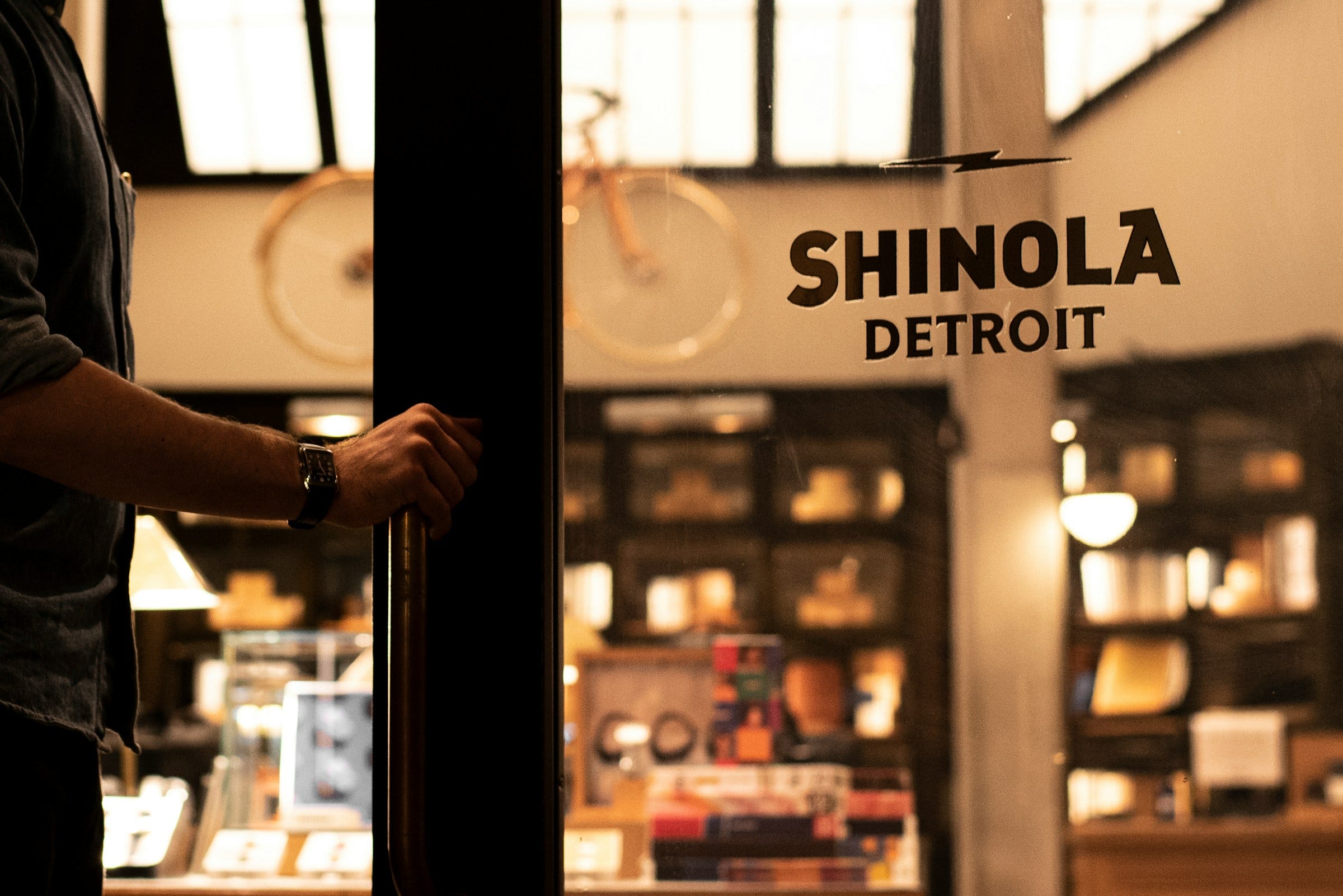
Somewhere out there right now, a polite person is ruining someone’s day with good intentions and a heavy door.
It always starts the same way—you reach the entrance before someone else. Maybe you’re feeling generous. Maybe you were raised to believe that being the door-holder is an easy way to be an upstanding citizen. You grab the handle, step aside, tilt your head in that universal gesture of polite sacrifice.
But here’s the problem. They’re not close enough. They’re at that awkward distance—the one that turns your nice gesture into a subtle form of social blackmail. Now they have to jog. Not a real jog, but that weird half-run, half-shuffle thing that humans do when we’re trying to look grateful while cursing under our breath.
Congratulations! You’ve trapped a stranger in the slow-motion hostage crisis of forced politeness.
I once held a door for a woman who was so far away I could barely see her expression—I just assumed she’d pick up the pace. She did. She nearly tripped over her own bag trying to reach me. By the time she slipped through the doorway, we were both apologizing for the situation we had just invented out of thin air.
There’s a whole choreography to door-holding that nobody teaches you. How long do you hold it? When does courtesy tip into condescension? Are you helping or announcing to the world, “Look at me, a benevolent hero propping up civilization with my elbow and a smug grin”?
The worst version is the chain reaction. You hold the door for one person—fine, heroic. But behind them? Another person appears. Then another. Suddenly you’re a medieval servant in some revolving human drama, standing there like a decorative statue while an endless line of strangers parade through your small act of goodness.
Some people solve this by doing the “I’ll just squeeze through and wedge it behind me” maneuver, pretending the next person will catch it like a relay baton. But sometimes they don’t. Sometimes that door swings shut right as someone reaches for it. Now you’ve invented a new tension—was that an accident? Was that a passive-aggressive punishment for walking too slowly? Did they expect you to wait forever?
The truly terrifying moment comes when you approach a door at the same time as someone else. Both hands dart for the handle—you lock eyes—and now you’re in a split-second duel for the Moral High Ground. If you grab it first and insist, you’re a gracious hero, unless they insist harder, and then you’re in a polite tug-of-war that makes everyone behind you wonder if they should just use the window.
Every culture has its own unspoken door etiquette. In Germany, where I live, the rules feel especially precise—people expect efficiency. Hold it too long and you’re awkward. Hold it too short and you’re rude. Misjudge by half a second and you get the subtle eyebrow raise that says, “Thanks for nothing, I guess.”
Some people will breeze through the door you’re holding and say nothing. No eye contact. No nod. Nothing. You stand there, robbed of your small acknowledgment that yes, you performed a micro-good deed. And what do you do then? Mutter a sarcastic “You’re welcome” under your breath? Audibly? Now you’re not the polite one—you’re the petty one. Worse than no courtesy at all.
Sometimes I fantasize about a world where we just skip this dance entirely. Every door opens automatically. Or we all carry a universal sign that says, “Please, no heroics. I prefer to open my own door.” No forced jogs. No fake smiles. No ritual gestures of “Oh, don’t rush!” while the other person does the polite panic-shuffle anyway.
But then I think about the tiny beauty of it too. The door moment is absurd, but it’s proof that we’re trying. We’re clumsy and awkward, but somewhere inside we want to make each other’s lives 0.5% easier. Even if it means forcing someone to do a humiliating half-run in public.
One day I’ll get it right. I’ll see someone coming, calculate the exact distance, hold the door for precisely the right moment, release it at the perfect time, get the perfect “Thank you,” nod with a perfect “You’re welcome,” and walk away feeling like a perfectly functional adult.
Until then, I’ll keep misjudging. I’ll keep creating awkward micro-drama outside coffee shops and office buildings. I’ll keep overthinking this tiny slice of civilization because, honestly, I’d rather be the fool holding the door too long than the person who never bothers to hold it at all.
You've capture the experience with uncanny accuracy. Do we blame globalism, post-modernism or what? I feel a world that has plunged into a state of awkwardness and most solutions are worse than the malady.